
The Impact of Online Culture on Dating and Relationships
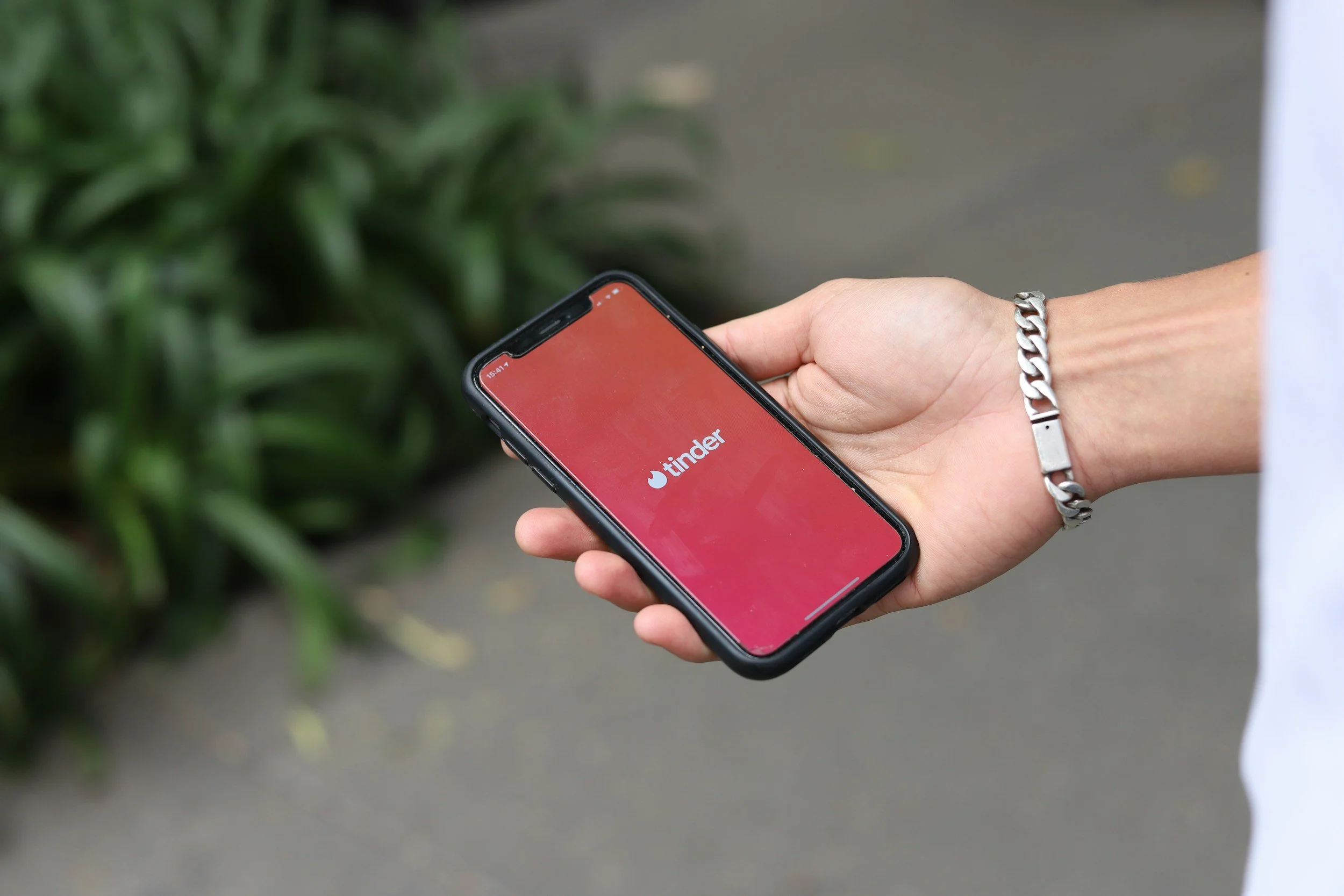
We tend to think of dating apps and digital communication as simple conveniences, or as a modern, efficient way to expand your social circle and find a partner. Swipe, match, text, repeat. Easy enough, right?
But clinically, what’s happening underneath the surface is far more complex. Hyper-digital dating culture has fundamentally altered how our brains process attachment, trust, and connection. Unfortunately, most of us don’t even realize it’s happening.
Your Brain Wasn’t Built for This
Your nervous system evolved over thousands of years to assess safety and attraction through physical, real-time cues. That includes things like a person’s facial expressions, the warmth in their voice, and the feeling of shared space. When you move the entire landscape of romance onto a screen, you bypass those ancient biological systems entirely.
You aren’t just dating differently. Your brain is navigating a highly engineered, dopamine-driven ecosystem that quietly reshapes how you evaluate other people, tolerate vulnerability, and build relational trust.
The Trap of Infinite Options
Dating apps run on a variable ratio reward schedule. It is the same psychological mechanism behind slot machines. Another profile is always one swipe away, and that constant availability creates what researchers call “choice overload.” Your brain starts treating potential partners less like complex human beings and more like options in a catalog.
The result? Heightened anxiety, chronic second-guessing, and a much lower tolerance for the normal friction that shows up in every real relationship. Minor conflicts feel like dealbreakers because part of your brain is always wondering if something better is just one swipe away.
Then there’s the texting mirage. Weeks of intense, text-based communication before a first date gives your brain just enough to work with, and it fills in the rest with idealized projections. When you finally meet in person, the collision with reality can feel jarring, leaving your nervous system subtly depleted before the relationship even has a chance to begin.
When Digital Access Becomes Digital Anxiety
The stress of online culture doesn’t disappear once a relationship is established. It can follow couples into their private lives through constant digital monitoring. When you can see exactly when your partner was last online, whether they’ve read your message, or who’s commenting on their posts, your threat-detection system never fully powers down.
A delayed text becomes a relational emergency. An ambiguous comment triggers a spiral. You find yourself compulsively checking your phone to soothe an anxious feeling, and in doing so, you’re training your nervous system to treat your relationship as an unpredictable source of danger rather than a safe haven.
Scrolling through a partner’s phone or tracking their location might feel like a way to manage that anxiety, but it backfires. It replaces genuine trust with a fragile illusion of control, and erodes the very vulnerability that makes intimacy possible.
Finding Your Way Back to Real Connection
The good news is that digital culture can’t rewrite your fundamental need for authentic, grounded connection. However, reclaiming that connection takes intention.
If you're dating, it can help to slow the digital momentum down a bit. Try limiting how many conversations you're juggling at once, moving to a phone or video call earlier, and meeting in person sooner rather than later. Give your nervous system real data to work with. If you’re already in a relationship, protect some spaces from your devices, especially the bedroom and mealtimes. Look each other in the eye. Let yourself be present with your partner’s actual, unedited presence.
A human heart isn't something an algorithm can optimize. Real connection often comes down to something simpler than a perfectly worded text: showing up, being seen, and staying.
How Therapy Helps
If digital dating culture has left you feeling anxious, disconnected, or unsure how to build the kind of relationship you actually want, therapy can help. At Forward Together Counseling, our therapists specialize in both individual therapy and couples counseling. There’s no stopping technology, but there are things you can do to keep it from taking over every aspect of your dating life or relationship. The first step is reaching out to our office today to be matched with a therapist.